Quick facts
- Your Google Business Profile is often one of the first things a homeowner sees when they search for an HVAC company.
- Every important HVAC service needs clear information that helps the visitor decide whether to call.
- Let the customer know that their feedback helps your local business.
- A helpful reminder can bring attention to services that are easier to schedule before a weather change or a busy period.

The best HVAC marketing ideas help homeowners find your company, understand what you do, and contact your office when they need service. They should also help you keep track of which activities bring in calls and booked jobs.
Many HVAC owners try a little of everything. They run an ad for a month, post on social media when they have time, ask for reviews occasionally, and hope the phone rings. That approach can create a lot of activity without showing what is actually helping the business.
A better approach is to focus on a few practical marketing ideas that make it easier for homeowners to find and choose your company. Start with the places people already use when they need heating or cooling help. Then make sure your website, business information, reviews, and follow up process all support the same goal.
The right mix will look different for every HVAC company. A shop that wants more AC repair calls may need a different plan than a company trying to book more maintenance visits, furnace repairs, system replacements, or ductless work. The key is to choose marketing activities that match the work your team wants to schedule.
Keep Your Google Business Profile Ready for Calls

Your Google Business Profile is often one of the first things a homeowner sees when they search for an HVAC company. It can appear in Google Search and Google Maps when people are looking for heating and cooling help nearby.
A complete profile does not guarantee placement, but it gives homeowners accurate information about your company and makes it easier for them to call, visit your website, or get directions when relevant.
Make Sure Your Business Details Are Accurate
Start with the basics. Your business name, phone number, website, hours, and service information should match what appears on your website and other major listings.
If a homeowner finds an old phone number or sees hours that are no longer correct, they may call a different company. Small details matter when someone needs help with no AC, a furnace issue, or a thermostat problem.
Review your profile regularly and update it when your company changes its main phone number, moves offices, changes hours, adds a service, or adjusts holiday availability.
You should also make sure the profile clearly reflects the services you actually offer. Do not add services your company does not provide just to appear in more searches. Accurate information helps your office receive better fit calls.
Add Photos and Updates That Help Homeowners
Photos can help a homeowner recognize that your company is real and active. Use clear images of your team, trucks, office, equipment, or completed work that you have permission to share.
You can also use profile updates to talk about current services, seasonal reminders, maintenance visits, heating checks, air conditioning service, or other work your business actually offers.
Keep the updates helpful. A homeowner does not need a long sales message. They may only need to know that your company handles the service they are searching for and has a clear way to contact the office.
Build HVAC Service Pages That Answer Real Questions
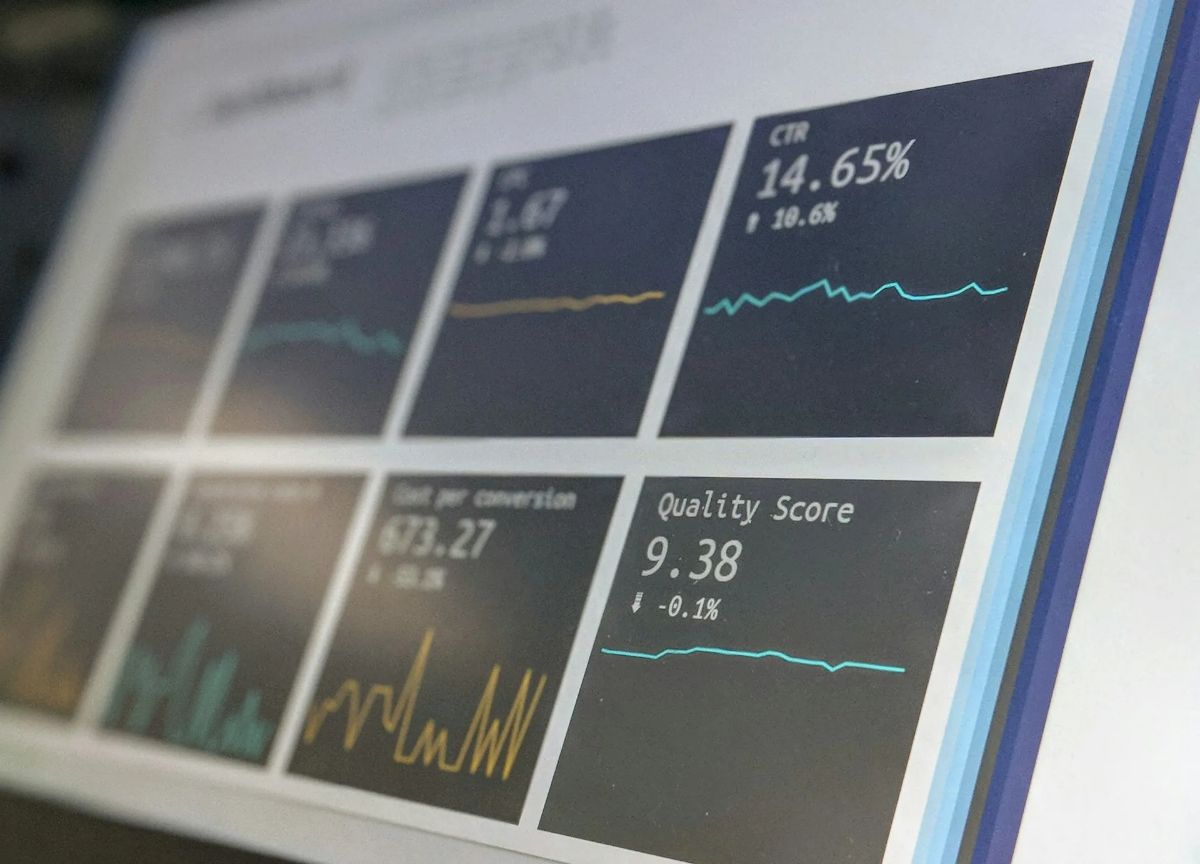
Your website should not make a homeowner search through several pages to understand what you do. Every important HVAC service needs clear information that helps the visitor decide whether to call.
A page about AC repair should focus on AC repair. A page about furnace service should focus on furnace concerns. A page about ductless systems should explain what ductless service involves.
This makes the site easier for homeowners to use and helps search engines understand what each page covers.
Give Each Major HVAC Service Its Own Page
One broad services page is useful, but it should not be the only place where you explain your work. If your company handles multiple services, homeowners should be able to find a page that matches the problem they have.
For example, your website may have separate pages for air conditioning repair, heating repair, maintenance, system installation, ductless systems, indoor air quality, or duct cleaning when those are real services your business offers.
Each page should explain the common issue, the type of work your company can assess, and how the homeowner can contact you.
Avoid turning every service page into the same general company description. A homeowner with a broken furnace has different questions than someone considering an AC replacement. Give each page a clear purpose.
Make the Website Easy to Use on a Phone
Many HVAC calls begin on a phone. A homeowner may be sitting in a warm house with a broken air conditioner or dealing with a heating problem outside normal business hours. They need to find the service, understand the next step, and contact the company quickly.
Make the phone number easy to find near the top of the page. Make sure it can be tapped on a mobile device. Keep contact forms short and only ask for information the office truly needs.
The page should load quickly and be easy to read. Avoid large blocks of text, too many popups, or page elements that make the contact option hard to find.
A useful page answers the homeowner’s first questions and gives them a simple way to call.
Ask for Reviews After Completed HVAC Work

Reviews are one of the most practical HVAC marketing ideas because they help future homeowners learn about your business from real customers.
They can also help your team understand what customers appreciated and where the experience may need improvement. A review mentioning clear communication, professional service, or a helpful technician can tell a future customer more than a general marketing statement.
Make Asking for Reviews Part of the Process
Do not wait until the office remembers to ask. Build the request into your normal customer follow up after completed work.
The best time depends on how your company works. It may be after a successful repair, after an installation is complete, or after the customer confirms that everything is working as expected.
Keep the request simple and polite. Let the customer know that their feedback helps your local business. Give them a direct link to the review page so they do not have to search for it.
Do not pressure customers or offer incentives for positive reviews. The goal is to make it easy for satisfied customers to share an honest experience.
Respond to Reviews With Care
Replying to reviews shows that your company pays attention. Thank customers for positive feedback in a short and professional way. If a customer mentions a technician by name, you can thank them for recognizing the team member.
For a negative review, respond calmly. Do not argue about the customer’s experience or share private job details online. A simple response can invite the customer to contact the office so the team can discuss the issue directly.
Review replies are not only for the person who wrote the review. Future homeowners may read them when deciding which HVAC company to call.
Stay in Contact With Past Customers

Past customers already know your company. They may need future repairs, maintenance, seasonal service, or help with another system in the home. Staying in touch can help keep your business in mind when the next need comes up.
This does not mean sending messages constantly. It means sharing useful reminders at times when they make sense.
Use Seasonal Reminders Around Real HVAC Needs
A homeowner may not think about maintenance until the system stops working. A helpful reminder can bring attention to services that are easier to schedule before a weather change or a busy period.
For example, you may send a reminder about cooling system checks before hotter weather, heating system checks before colder weather, or maintenance options during a slower period.
The message should be useful and easy to understand. Tell the customer what service is available, why they may want to schedule it, and how to contact your office.
Do not make claims about savings, response times, or outcomes unless the business has approved them and can support them.
Keep Customer Contact Information Organized
Your office should keep customer information accurate. If a phone number, email address, or address changes, update it when possible.
Organize past customers by the services they received. This can help you send more relevant reminders. A homeowner who recently had a new system installed may not need the same message as someone whose older unit received a repair.
You can also note whether the customer is a maintenance customer, a repair customer, or a replacement customer. This gives your office better context when they call again.
The goal is not to send more messages. The goal is to send helpful information that matches the customer’s likely need.
Use Local Partnerships and Referrals

Local referrals can be valuable for HVAC companies because homeowners often want to hire a business they recognize or one that was recommended by someone they trust.
A referral may come from a past customer, another local business, a property manager, a real estate professional, or a contractor in a related trade.
Good referral relationships take time. They are built through clear communication, reliable work, and a simple process for referring customers.
Make It Easy for Customers to Refer You
After a completed job, let customers know that you appreciate referrals. Keep the message simple. You do not need to create a complicated program.
Your technicians and office staff can also mention referrals naturally when it fits the conversation. For example, after a customer thanks the team, the office can let them know that sharing the company with friends or neighbors is always appreciated.
Make sure anyone who refers a customer knows what services you provide and how to contact the office. If the process is confusing, they may not follow through.
Build Relationships With Related Local Businesses
Other local businesses may meet homeowners who need HVAC help. Plumbers, electricians, roofers, property managers, restoration companies, and real estate professionals may all encounter customers with heating and cooling concerns.
The goal is not to trade referrals without knowing the business. Get to know the companies you recommend. Make sure they provide services that fit your customers and communicate professionally.
A good local relationship can help both businesses serve homeowners better. It can also give your company another source of calls that does not depend on ads or lead platforms.
Keep track of referrals just as you track other leads. This helps you see which relationships are bringing in booked jobs.
Track Which HVAC Marketing Ideas Bring Booked Jobs

Marketing should not be judged by likes, clicks, or traffic alone. Those numbers can be useful, but they do not tell you whether the office is booking work.
The most helpful HVAC marketing report connects the original lead source to the appointment, booked job, and completed revenue when possible.
Record Where Every New Lead Came From
Ask new customers how they heard about your company. Record the answer in the same place every time.
Your lead source list may include Google Business Profile, organic website search, Google Ads, referral, repeat customer, social media, yard sign, lead platform, or another source your business uses.
Use clear labels. If your office records some calls as “Google,” some as “Maps,” and some as “website,” the report may not show the full picture.
Consistent tracking helps you see whether your Google Business Profile is bringing calls, whether a referral partner is sending jobs, or whether a campaign is producing the kind of work you want.
Review Calls, Booked Jobs, and Revenue Together
A source that brings in many calls may not bring in the most booked jobs. A source with fewer calls may bring in work with a better fit for your team.
Review the full path:
- New lead
- Appointment scheduled
- Estimate provided when needed
- Job booked
- Job completed
- Revenue recorded
This gives you a stronger basis for decisions. You may decide to improve a service page, ask for more reviews, adjust your lead platform settings, or put more effort into a source that is bringing better work.
The goal is not to chase every possible marketing idea. The goal is to understand what is filling your schedule with the right HVAC jobs.
Turn HVAC Marketing Into More Booked Jobs
The right HVAC marketing ideas help homeowners find your company, understand your services, and contact your office when they need help. Keep your Google Business Profile accurate, build clear service pages, ask for honest reviews, stay in touch with past customers, build local referral relationships, and track where booked jobs come from.
Do not judge marketing only by clicks or calls. Focus on the sources that bring in the right HVAC jobs and completed revenue. SwarmSystem helps HVAC businesses build stronger online visibility and track the calls and booked work that matter. Visit https://swarmsystem.ai/ to learn more.
Frequently asked questions
What are the best HVAC marketing ideas for a small company?
Start with accurate business information, a complete Google Business Profile, clear website service pages, customer reviews, past customer follow up, and local referral relationships. These ideas can help homeowners find and contact your business without requiring every effort to be a paid campaign.
How can an HVAC company get more calls from its website?
Make sure the website has clear service pages, a visible phone number, a simple contact form, accurate business information, and a mobile friendly layout. A homeowner should be able to quickly understand what the company does and how to request service.
Should HVAC companies use social media?
Social media can be useful for showing real work, team members, seasonal reminders, and helpful service information. It should support your larger marketing plan, not replace your Google Business Profile, website, reviews, and lead tracking.
How do I know which HVAC marketing source is working?
Track the source of every new lead, then follow it through the appointment, booked job, and completed revenue. This shows which sources bring useful work instead of only clicks or calls.

About the author
Justin Day, founder of SwarmSystem
Justin Day has spent ten years getting local businesses found, and his work has generated over $100 million for clients.
Corrections: If something here is wrong, book a call and tell us. We fix it and change the date.