
Running a plumbing business means keeping your technicians busy and your phone ringing. But finding new customers can become frustrating when every job seems to depend on another advertising payment or a lead from a company you do not control.
Many plumbing companies rely on Google Ads, lead generation websites, and other paid services to bring in customers. These methods can work, especially when the schedule has open spots. The problem starts when paid leads become the only reliable source of new business.
When advertising stops, the calls coming from those ads usually stop too.
Learning how to market a plumbing business means building more than a temporary source of leads. It means making your company easier to find, giving homeowners reasons to trust you, and creating a steady way for people to contact your business directly.
A strong plumbing business marketing plan combines a useful website, a well-maintained Google Business Profile, customer reviews, local search visibility, and careful tracking of booked jobs.
Here is how plumbing business owners can build a marketing approach that supports long-term growth without having to rent every call.
Why Plumbing Businesses End Up Renting Their Calls

When a plumbing company needs more work, paid advertising often looks like the fastest option.
You can run Google Ads, pay for leads through a third-party platform, or advertise on websites that connect homeowners with local plumbers.
These services put your company in front of people looking for plumbing help. Some of those people may become customers.
However, there is an important difference between paying to reach a homeowner and building a business that homeowners can find directly.
Understanding Rented Calls and Owned Calls
A rented call comes from a source that depends on continued advertising or lead purchases.
For example, a homeowner searches for an emergency plumber, clicks a paid advertisement, and calls your business. That call came through a channel you paid to use.
If you stop running the advertisement, your business no longer receives calls through that particular ad.
An owned call comes through something your company has built and controls more directly, such as its website, phone number, or existing customer relationships.
A homeowner might find your plumbing website through Google's regular search results, remember your company from a previous repair, or call after receiving a recommendation.
You still need to maintain your website and online presence. Google rankings can change, and no company owns its position in search results. But you are building business assets that remain yours rather than depending entirely on purchased attention.
| Rented call sources | Owned business assets |
|---|---|
| Google Ads | Your company website |
| Purchased plumbing leads | Your service pages |
| Paid lead marketplaces | Your customer contact records |
| Sponsored placements | Your original website content |
| Third-party advertising campaigns | Your direct customer relationships |
Both sides can have a place in your marketing plan. The goal is to avoid relying entirely on the first column.
Why Depending Only on Paid Leads Creates Problems
Paid leads can fill open appointments, but relying on them creates several challenges.
You compete for attention. Other plumbing companies may be advertising for the same customers, making it harder to stand out.
Some leads are shared. Depending on the provider, the same homeowner may receive calls from several contractors.
Your visibility depends on continued spending. When you pause a campaign, the traffic and calls generated by that campaign generally stop.
You have less control over the customer experience. Third-party platforms may control how your business appears, how leads are delivered, or how customers contact you.
These problems do not mean paid advertising is always a bad choice.
They mean a plumbing business needs additional ways to attract customers so that one advertising source does not control the entire schedule.
Build a Plumbing Website That Helps Homeowners Call You

Your plumbing website should do more than show your business name and phone number. It should help homeowners understand your services and make it easy to call.
When someone has a leaking water heater or clogged drain, they want to know if your company can fix it.
Your website should answer that question quickly.
Make Your Phone Number Easy to Find
Homeowners should not have to search for your contact information.
Keep your phone number visible, especially on mobile phones.
Your website should include:
- A phone number customers can tap to call
- Clear descriptions of your plumbing services
- Areas your company serves
- A simple way to book an appointment
- Genuine customer reviews
- Accurate business information
Keep the wording short and clear.
For example, a water heater repair page should explain the problems you handle and make it easy for homeowners to call for service.
Create a Separate Page for Each Main Plumbing Service
Homeowners search for specific plumbing problems.
Someone looking for drain cleaning needs different information than someone who needs a water heater replaced.
Create separate pages for the main services your company provides, such as:
- Emergency plumbing repairs
- Drain cleaning
- Water heater repair and replacement
- Sewer line repairs
- Leak detection
- Toilet and faucet repairs
Each page should explain the service, common problems you handle, and how to request an appointment.
Avoid copying the same content across multiple pages.
Give homeowners enough information to decide whether they should call your company.
Make Your Website Easy to Use on a Phone
Many homeowners search for plumbers on their phones.
If your website is slow, difficult to read, or has a hard-to-find call button, they may leave and contact another plumber.
Check that your website:
- Loads properly on mobile phones
- Has clear, readable text
- Makes your phone number easy to tap
- Allows visitors to find services quickly
- Has a simple appointment request process
A website that makes it easy to call and book plumbing work is more useful than one filled with complicated designs and unnecessary features.
H Local Homeowners Find Your Plumbing Business on Google
Having a good website is important, but homeowners also need to discover it.
This is where local search visibility becomes part of your plumbing business marketing strategy.
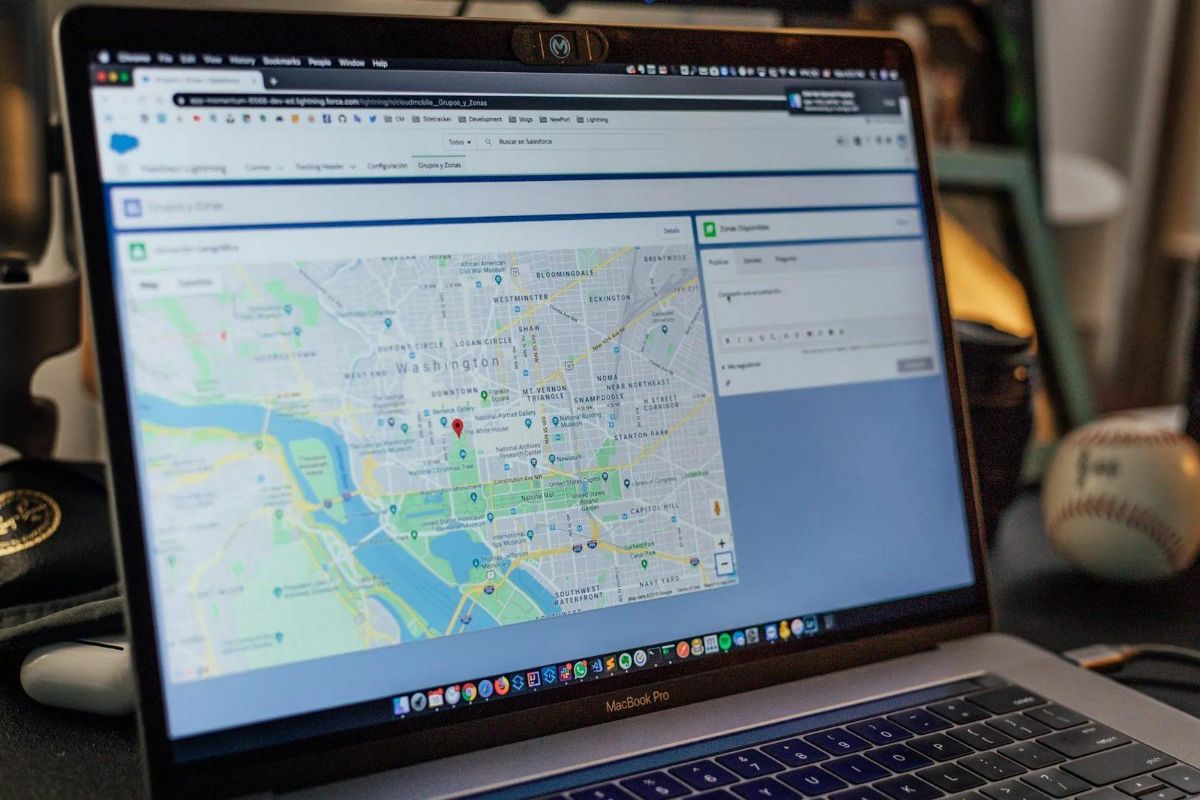
Local SEO means improving how your business appears when people search for plumbing services in the areas you serve.
For example, a homeowner might search for "water heater repair near me" or "emergency plumber."
Google may display a map with nearby businesses, followed by regular website results.
Your goal is to make sure your business information is accurate, useful, and relevant to the services you provide.
Keep Your Google Business Profile Accurate
Your Google Business Profile is the listing that can appear in Google Maps and local search results.
For many plumbing companies, it is one of the first places homeowners look before calling.
Review your profile regularly and make sure it includes accurate information.
Pay attention to your business name, primary category, phone number, website, service areas, and operating hours.
Choose categories that describe your actual business.
Add real photos of your team, equipment, vehicles, or completed work when appropriate.
Keep your hours updated, including any special hours that apply.
If you offer emergency plumbing services, describe them accurately. Do not claim round-the-clock availability unless your company actually provides it.
An accurate profile helps customers understand what to expect when they contact you.
Publish Helpful Content That Answers Plumbing Questions
Homeowners often search for information before they decide to hire a plumber.
They might ask:
- Why does my water heater keep running out of hot water?
- What causes a drain to clog repeatedly?
- How can I tell if a pipe is leaking behind a wall?
- Should I repair or replace an old water heater?
- What should I do when a pipe bursts?
These questions create opportunities for helpful blog content.
A well-written article can explain the problem, describe when professional service may be necessary, and direct readers to the relevant plumbing service page.
For example, an article about signs of water heater failure can link to your water heater repair page.
This gives homeowners a useful next step without turning the article into a sales pitch.
Write for real customers rather than repeating keywords throughout the page.
Clear answers are more valuable than paragraphs written only to attract search engines.
Build Visibility in the Areas You Actually Serve
If your plumbing company serves several nearby communities, make that information clear on your website.
Homeowners should be able to tell whether you provide service at their property.
You may also create useful service area pages when you have meaningful information to share about the communities you serve.
Avoid creating dozens of nearly identical pages that simply swap one town name for another.
Every page should help a homeowner understand the services available and how to contact your business.
Local visibility also depends on factors outside your website, including relevance, distance, and how well-known your business is.
No single change guarantees a position in Google's map results.
Turn Customer Trust Into More Direct Plumbing Calls

Being visible online is only part of the job.
Homeowners also need to feel comfortable choosing your plumbing company.
Plumbing repairs often involve inviting a technician into the home, making decisions about important equipment, or dealing with an unexpected problem.
Trust matters.
Ask Satisfied Customers for Honest Reviews
Google reviews can help homeowners learn about other people's experiences with your company.
After completing a job, you can invite customers to share honest feedback.
Keep the request simple and make it easy to find your review link.
Do not offer rewards in exchange for positive reviews or pressure customers to leave a particular rating.
A genuine review may describe whether the technician arrived as expected, explained the repair clearly, or treated the property respectfully.
These details can help future customers understand what working with your company may be like.
Reviews can also contribute to local search visibility, although they are only one part of how Google evaluates local businesses.
Respond to Customer Reviews Professionally
Thank customers who leave positive feedback.
When someone posts a negative review, respond calmly and avoid arguing in public.
A useful response acknowledges the concern and offers a way to discuss the issue directly.
Avoid sharing private customer details or discussing sensitive service information publicly.
The purpose is not to win an argument. It is to show potential customers that your business takes feedback seriously.
Stay Connected With Existing Customers
Not every plumbing call needs to come from a new customer.
Someone who previously hired your company for a faucet repair may need help with a water heater or drain problem later.
Make it easy for customers to find your business again.
Provide clear invoices, accurate contact information, and a professional service experience.
Where appropriate and with permission, you can also keep customers informed about services or maintenance reminders that may be useful to them.
Repeat customers and referrals can reduce the need to purchase a new lead for every job.
Use Paid Plumbing Leads Without Making Them Your Entire Marketing Plan

Paid advertising can still be useful.
A plumbing company may use Google Ads to reach homeowners searching for urgent repairs or to support a service that needs more appointments.
The important question is not whether you should use paid advertising.
It is whether the advertising produces worthwhile booked jobs and fits alongside the other ways customers find you.
Know What Happens When Advertising Stops
Google Ads can place your business in sponsored search results.
That visibility depends on the campaign being active and eligible to show.
When you stop paying for those ads, you generally stop receiving traffic through them.
Your website, however, remains available. Existing customers can still contact you, and your pages may continue appearing in regular search results.
This is why building your own website and local presence matters.
Paid advertising can support your schedule while your business develops other sources of calls.
It should not automatically replace those efforts.
Understand Whether You Are Buying Shared Leads
Before purchasing plumbing leads, find out how the provider delivers them.
Ask whether each lead is exclusive to your company or shared with other contractors.
Also ask what information you receive, how the customer requested service, and whether the provider allows you to track which leads become actual jobs.
A large number of leads does not necessarily mean a large number of booked appointments.
Some people may be comparing several companies. Others may be outside your service area or looking for work your business does not provide.
Evaluate lead quality based on real customer conversations and completed work rather than the number of contacts delivered.
Keep Control of Your Business Information
Your website, domain name, business phone number, and Google Business Profile are important business assets.
Make sure you understand who controls them.
If an outside company manages your marketing, confirm that your business retains appropriate ownership and administrative access.
You should be able to access your website, review your business information, and understand where customer calls are coming from.
This makes it easier to change marketing providers without losing control of important business assets.
Measure Which Plumbing Marketing Efforts Bring Booked Jobs

A plumbing company does not need a complicated marketing report to understand whether its efforts are helping.
The most useful questions are straightforward.
Is the phone ringing? Are the calls coming from people who need your services? Are those calls turning into booked jobs?
A marketing channel that brings many website visits but few useful calls may be less valuable than one that brings fewer visitors who actually schedule plumbing work.
Track Calls From Different Sources
Start by identifying where customers find your business.
Common sources include Google Maps, regular Google search results, paid advertisements, referrals, and existing customers.
Call tracking tools can help identify the source of some incoming calls when they are set up correctly.
Your office staff can also ask new callers how they found the company.
Keep the process simple enough that your team can use it consistently.
For each source, look at:
| What to track | Why it matters |
|---|---|
| Incoming calls | Shows how many people contacted the business |
| Qualified calls | Shows how many callers needed services you provide |
| Booked jobs | Shows which sources helped fill the schedule |
| Completed jobs | Shows which appointments turned into actual work |
| Revenue from jobs | Helps connect marketing activity to business results |
Do not judge every marketing source by call volume alone.
A campaign that generates frequent calls for services you do not offer may not be helping your business.
Look Beyond Website Traffic and Rankings
Your website might receive more visitors without producing more booked plumbing jobs.
Likewise, a keyword ranking improvement does not automatically mean the business is earning more revenue.
These numbers can help explain how people discover your company, but they should not be the only measures of success.
Review the full path from a customer finding your business to booking and completing a job.
If homeowners are visiting your website but rarely calling, check whether your service pages are clear and your contact information is easy to find.
If calls are coming in but few become appointments, look at the types of inquiries and how calls are handled.
Sometimes the issue is not visibility. It is what happens after the phone rings.
Build a Marketing Plan Around Your Actual Business Needs
Different plumbing companies need different types of work.
One company may want more water heater replacement jobs. Another may need more drain cleaning appointments or a better way to attract emergency repair calls.
Start by identifying which services you want to grow and which areas you can reliably serve.
Then make sure your website, Google Business Profile, and marketing efforts accurately reflect those priorities.
Review the results regularly and make decisions based on booked work.
This approach gives you a clearer picture of which efforts deserve continued attention.
Frequently asked questions
What Is the Best Way to Market a Plumbing Business?
A strong approach combines a clear website, an accurate Google Business Profile, helpful service pages, customer reviews, and consistent tracking of booked jobs. Paid advertising can also help, but relying on one source makes the business more vulnerable when that source changes.
How Can a Plumbing Business Get More Calls Without Buying Leads?
Plumbing companies can improve their local Google presence, create useful service pages, publish helpful content, request honest customer reviews, and encourage repeat business. These efforts make it easier for homeowners to find and contact the company directly.
Is SEO Worth It for a Plumbing Company?
SEO can help plumbing businesses become more visible when homeowners search for relevant services. Its value should be judged by useful inquiries, booked appointments, and completed jobs rather than keyword rankings alone. Results vary, and search visibility is not guaranteed.
Should Plumbers Use Google Ads or SEO?
Both can serve different purposes. Google Ads provides paid placement while campaigns are running. SEO focuses on improving a website and its visibility in regular search results. Many businesses use both while evaluating which sources produce worthwhile booked jobs.
How Important Is Google Business Profile for Plumbers?
Google Business Profile helps homeowners find plumbing companies through Google Search and Maps. Accurate categories, contact details, service areas, photos, and genuine reviews can make the listing more useful to potential customers.
How Do You Know if Plumbing Marketing Is Working?
Track incoming calls, qualified inquiries, booked appointments, completed jobs, and the revenue connected to each source. These measures provide a clearer view of business results than website traffic or rankings alone.
Can a Plumbing Company Grow Without Paid Advertising?
A plumbing company can attract customers through regular search results, referrals, repeat business, and direct visits to its website. However, these sources require ongoing effort, and no method guarantees a steady number of calls. Paid advertising remains an option when it supports the company's needs.
Build a Plumbing Marketing Strategy That Keeps Your Business in Control
Learning how to market a plumbing business is not about finding one advertising trick that fills the schedule.
It is about creating several reliable ways for homeowners to discover your company, understand your services, and contact you directly.
A useful website, accurate Google Business Profile, genuine customer reviews, and clear service information all contribute to that goal.
Paid advertising can help bring in additional work, but it should not be the only reason your phone rings.
The more control you have over your website, customer relationships, and business information, the less dependent you become on buying every new opportunity.
SwarmSystem helps home service businesses focus their online visibility on what matters to owners: more qualified calls, booked jobs, and a clearer understanding of which marketing efforts bring in work.
If you want to build a stronger online presence for your plumbing company without depending entirely on rented leads, visit SwarmSystem to learn more about its approach to helping contractors get found and called.

About the author
Justin Day, founder of SwarmSystem
Justin Day has spent ten years getting local businesses found, and his work has generated over $100 million for clients.
Corrections: If something here is wrong, book a call and tell us. We fix it and change the date.